



2026
Why Some Metro Vancouver Strata Fees Rise Faster Than Others
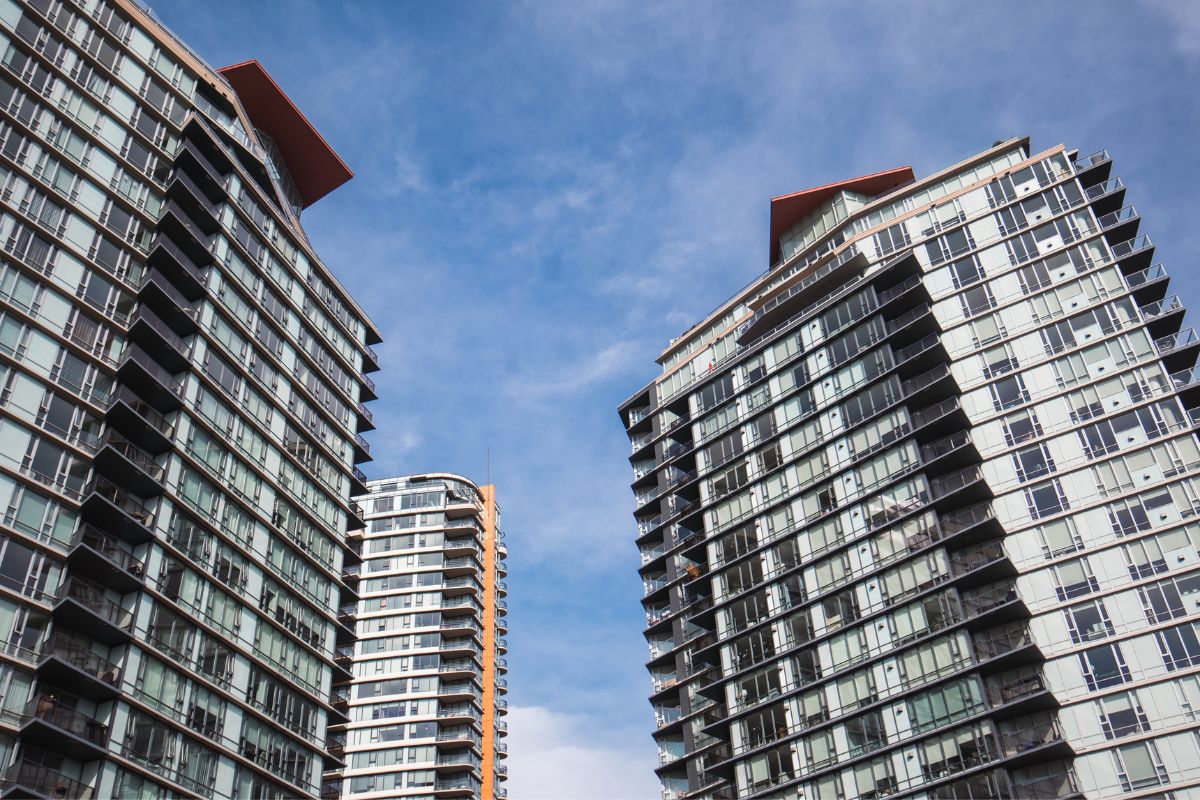
The average strata fee in British Columbia sits around $470 per month, but that number tells you almost nothing about what is actually happening on the ground.
For example, across Metro Vancouver right now, two strata owners in nearly identical buildings can be paying wildly different monthly fees. One could be looking at a modest 3% increase at their AGM. The other is handed a notice of a 22% jump and a special levy on top of it.
Same city. Same market. Completely different financial reality.
So, what separates the stratas that hold the line from the ones that spiral? It comes down to a combination of regulatory exposure, deferred maintenance, building infrastructure, and the quality of the management behind the scenes.
The Regulatory Reckoning That Is Hitting Unprepared Buildings Hard
For years, British Columbia had a quiet loophole baked into strata governance. Corporations could vote annually to defer their depreciation report and keep Contingency Reserve Fund contributions low. It was a way to keep fees artificially attractive, especially in buildings where councils were reluctant to raise fees or developers had set budgets too low to begin with.
That loophole is gone.
As of July 1, 2024, strata corporations can no longer pass a three-quarter vote to exempt themselves from obtaining a depreciation report.
For Metro Vancouver, the Fraser Valley, and the Capital Regional District, any strata with five or more units that lacks a current report must have one completed by July 1, 2026. Alongside that, the mandatory minimum annual CRF contribution doubled to 10% of the operating budget, effective November 2023.
The buildings that spent years deferring these obligations are now getting an unwelcome reality check.
A March 2026 report from Vancouver-based OctoAI Technologies found that B.C. condo communities have an average of just $4,000 per unit set aside for capital projects, compared to roughly $10,000 in Ontario. Over three-quarters of B.C. strata corporations are considered poorly funded. Over half are in critical territory.
That is not a minor gap. That is a structural problem that is now showing up directly in fee increases and special levies. Buildings that maintained proper reserves through professional strata management are navigating this moment with relative calm. Buildings that didn't are scrambling.
Building Age and Infrastructure Are Not Created Equal
People assume newer buildings mean lower fees. That is often true in year one, and almost never true by year five.
Developers routinely set opening budgets below what a building actually costs to operate. It keeps units attractive during presale and early marketing.
But once the strata council takes over and real expenses start coming in, the correction happens fast. We have seen buildings go from developer-set fees to market-rate fees within the first two to three years of operation.
Beyond the age question, the physical makeup of a building shapes its long-term cost trajectory in ways that most buyers never think about at purchase. Here is what we consistently see across our portfolio:
- Wood-frame buildings generally carry lower per-square-foot fees than concrete high-rises, but older wood-frame stock from the 1980s and 1990s carries serious envelope risk.
- Amenity-heavy buildings carry a cost burden that compounds over time. Pools, saunas, concierge desks, guest suites, and elaborate landscaping all require ongoing maintenance contracts, specialized labour, and insurance coverage.
- Elevator systems in mid-to-high-rise buildings represent one of the largest single capital expenditures a strata will ever face. Most major elevator brands manufacture proprietary parts in the United States. With tariff uncertainty adding pressure to cross-border supply chains in 2025 and into 2026, modernization costs have become harder to predict and, in some cases, significantly more expensive than what the CRF was built to absorb.
Buildings that fail to account for these realities in their long-range planning will always face sharper fee increases when the bills come due.
Insurance and Utilities Are Compressing Budgets From Both Sides
BC carries the highest strata insurance costs in the country. While the market has softened somewhat in 2025, with some well-maintained concrete buildings seeing meaningful premium reductions, the relief is not universal.
Frame construction buildings, properties with a history of water damage claims, and buildings in seismically sensitive areas are still paying elevated rates. That is because insurance is not a fixed cost. It responds to your building's risk profile, and that profile is shaped by how well the property has been maintained over time.
On the utility side, the pressure is only growing. The City of Vancouver's 2026 budget included a 4.2% increase in utility fees. Metro Vancouver's regional water and sewer rates continue to climb. For stratas that have not invested in energy-efficient systems or water-saving fixtures, these increases flow directly into the operating budget with no offset.
The buildings absorbing these cost increases most smoothly are the ones that planned for them. That is not luck. That is management.
What Separates a Stable Strata From One That Keeps Surprising Owners
This is the part that does not get talked about enough. Two buildings with nearly identical physical profiles can have completely different financial trajectories based on how they are managed.
Reactive management costs money. When a strata council is only hearing about problems after they become emergencies, every repair costs more than it should have. Deferred maintenance compounds. A $15,000 fix ignored for two years becomes a $60,000 capital project. The CRF takes the hit, and fees go up to rebuild it.
Proactive management does the opposite. It uses detailed tracking, regular inspections, and long-range capital planning to catch issues early and sequence spending in a way that protects the reserve fund. It also means building budgets that account for actual inflation, vendor contract escalations, and upcoming regulatory requirements, not just what last year's budget looked like with a small percentage added on top.
At Obsidian Property Management, we built our service model around this philosophy. Unlike most firms that price by the number of units or doors, our approach is based on the actual hours and services your building requires.
A 12-unit wood-frame in Surrey has different needs than a 200-unit concrete tower in Burnaby, and the management it receives should reflect that. We track our time, report it to our clients, and hold ourselves accountable to it.
We also keep our portfolio sizes reasonable. That is not an accident. It is a deliberate decision to ensure that every council we work with gets the attention their community actually needs, not the attention that fits between 25 buildings.
What Owners and Councils Should Be Asking Right Now
If your strata fees have been climbing faster than you expected, or if you are bracing for a special levy, the question worth asking is not just "why is this happening" but "what decisions over the past five to ten years led here."
The answers are usually in the meeting minutes, the depreciation report, and the CRF balance. If those documents are hard to find, incomplete, or have not been updated recently, that itself tells you something important.
The good news is that the trajectory can change. Buildings that commit to proactive financial governance, proper reserve funding, and experienced management do stabilize. It takes time and it takes discipline, but it is not complicated.
If you are a strata council looking for a clearer picture of where your building stands, or if you are evaluating your current management situation, we are happy to have that conversation. Visit our Contact Us page to get in touch with our team directly.
 September 29th, 2026
 August 26th, 2026
